On the poorer side of Surrey in the late 70s, our council estate was a patchwork of pride and quiet desperation. The houses, all red brick and pebble-dash, stood in neat rows, their front gardens clipped and weeded with military precision. Even the air seemed scrubbed clean on Sundays, the scent of carbolic soap and roast beef drifting through open windows. Every doorstep gleamed, every window sparkled, and every mum eyed her neighbour’s begonias with a mixture of admiration and rivalry. Here, pride was a currency, and appearances were everything—each family determined to outshine the next, even if it meant hiding the cracks beneath the surface.
That particular Sunday, the sky hung low and heavy, the kind of grey that pressed down on your shoulders and made the world feel smaller. I was house-sitting with my mother at her friend’s place, a few streets over—a house that looked just like ours, but somehow always seemed a little tidier, a little more polished. The estate was a living stage, and every resident an actor in the daily drama of keeping up with the Joneses. Behind every twitching net curtain, eyes watched, cataloguing every misstep, every unwashed car or overgrown hedge. The pressure to belong, to be seen as respectable, was as constant as the hum of the electric fire in the lounge.
My task was simple: look after the pets while the family was away. But in truth, it felt like more than that. It was a test—a chance to prove myself, to show I could be trusted, that I wouldn’t let the side down. Word travelled fast on our estate, and reputations were fragile things, easily bruised by a careless word or a forgotten chore. I moved through the house with careful steps, feeling the weight of invisible eyes, determined not to leave a single cushion out of place.
When their car finally pulled up, the sound of tyres crunching on gravel sent a jolt of anticipation through me. I dashed outside, heart thumping, eager to hear stories of their holiday and, if I’m honest, to see what treasures they’d brought back. The air was thick with the smell of petrol and cut grass, mingling with the distant tang of rain on warm tarmac. Monica, their daughter, climbed out of the car with a sullen look, her eyes fixed on the ground as if she wished she could disappear.
As they unloaded the boot, I hovered nearby, hands on the car door, trying to look helpful—hoping to be noticed, to be praised. Suddenly, with a sharp, careless movement, Monica slammed her door shut, and pain exploded in my fingers. I yelped, the sound raw and high, tears springing to my eyes before I could stop them. For a moment, the world seemed to freeze. The street, usually alive with the shouts of children and the clatter of milk bottles, fell silent. I could feel the weight of every gaze, neighbours peering from behind curtains, their faces half-hidden but their curiosity unmistakable.
Monica’s dad reacted instantly, his face creased with concern as he rushed to open the door and free my trapped hand. Monica herself vanished into the house, her mother striding after her, her expression thunderous. On our estate, discipline was never private. It was a performance, a warning, a lesson for all to see. The air seemed to crackle with anticipation, as if the whole street was holding its breath, waiting to see what would happen next.
Monica’s father led me inside, his hand gentle on my shoulder, guiding me to the kitchen. The room was warm and bright, the linoleum floor cool beneath my feet. He fetched a bag of frozen peas from the humming fridge, pressing it to my swelling fingers with a kindness that made my throat ache. But my attention was already drifting, drawn by the muffled sounds coming from the lounge—the sharp, anxious voices, the scrape of a chair, the unmistakable tension that filled the air like static.
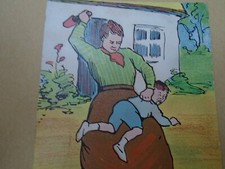
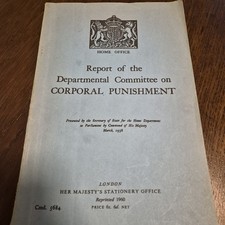
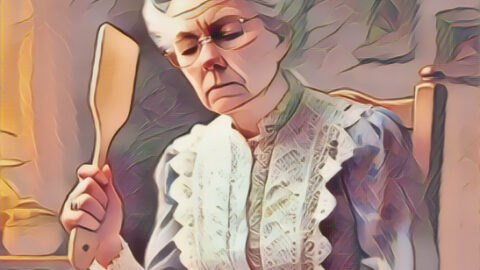
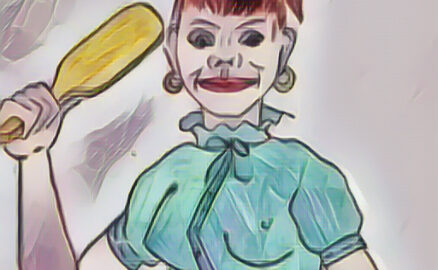
I crept to the doorway, heart pounding, and peered inside. The room was thick with tension, the air heavy and still, as if the very walls were holding their breath. Monica’s mother sat upright on the floral settee, her back ramrod straight, lips pressed into a thin, determined line. Monica, face flushed and eyes wide, was draped awkwardly across her mother’s lap, her hands gripping the sofa cushion in anticipation. The wooden spoon gleamed in her mother’s hand, catching the watery sunlight that filtered through the net curtains. (short pause) The first sharp crack echoed through the room, startling in its clarity, followed by Monica’s gasp—a sound that seemed to hang in the air, mingling with the faint hum of the electric fire and the distant clatter of a milk float outside. Each smack landed with a crisp, unyielding rhythm, the spoon meeting fabric and flesh with a sound both hollow and final. Monica’s feet kicked helplessly, her breath coming in short, ragged bursts, a whimper escaping with every stinging blow. Her mother’s face remained set, eyes flicking once to the wall as if aware of the neighbours listening through the thin plaster. The atmosphere was thick with embarrassment and authority, the ritual of discipline performed with a kind of grim ceremony. (pause) The scent of polish and Sunday roast lingered, but all I could focus on was the sharp, repetitive sound and Monica’s muffled sobs, her pride dissolving with each strike. The moment stretched, every second etched into memory, until finally her mother paused, hand resting on Monica’s back, the silence in the aftermath almost deafening.
I stood frozen, the bag of peas forgotten in my hand, my own pain eclipsed by the rawness of what I’d witnessed. The room felt smaller, the air thick with the mingled scents of lavender polish, roast potatoes, and something sharper—shame, perhaps, or the memory of every time I’d been in Monica’s place. I could see the tremble in Monica’s shoulders, the way her mother’s hand lingered, not unkind but unyielding, as if to say: this is how things are done here. The ritual was as old as the estate itself, passed down like a family recipe, equal parts love and fear.
When her mother finally decided Monica had learned her lesson, she released her, smoothing her skirt with a practiced hand. Monica’s cheeks were flushed, her eyes bright with unshed tears as she was sent over to apologise to me. Her voice was barely a whisper, thick with embarrassment, and I could feel the heat rising in my own face as I mumbled that it was all right. On our estate, saving face mattered almost as much as keeping up appearances. The apology was as much for the neighbours as it was for me—a way to restore order, to show that everything was under control.
Long after Monica had retreated to her room and the house had settled back into its Sunday quiet, I found myself replaying the scene in my mind. The sharp crack of the spoon, the hush that followed, the way pride and punishment danced together behind those scrubbed front doors. I wondered if Monica would ever know how long I stood there, watching, feeling the weight of the estate’s expectations pressing down on us both. In that moment, I understood something I hadn’t before: that beneath the polished surfaces and perfect lawns, we were all just trying to hold ourselves together, hoping the neighbours wouldn’t see the cracks.