(gap: 2s) For Malayalees—those of us from Kerala—living in the heart of 1970s London, the world could feel both vast and impossibly small. Our council estate, with its pebble-dashed flats and patchy grass, was a universe of its own, echoing with the shouts of children and the distant rattle of milk floats. Yet, in the midst of this grey sprawl, there was always a beacon of home: the Kerala Store.
(short pause) The Kerala Store was more than just a shop. It was a lifeline, a place where the scent of curry leaves and the sight of red chillies hanging in bunches could instantly transport you back to the humid lanes of Thrissur or Kochi. My mother would take us there every Saturday, her sari tucked up for the brisk walk, clutching a battered shopping list. The bell above the door would jangle as we entered, and inside, the shelves were stacked with everything from jackfruit chips and banana wafers to tins of coconut oil and packets of ‘Nirapara’ rice. There were Malayalam newspapers, faded and weeks old, and a battered radio behind the counter playing Yesudas songs that mingled with the hum of the fluorescent lights.
(pause) For us children, the store was a place of wonder and longing. We’d eye the glass jars of Parle-G biscuits and the bright orange bottles of Bovonto, hoping Amma would let us have a treat. Sometimes, if we were lucky, she’d buy us a stick of barley sugar or a packet of ‘Poppins’ sweets, and we’d clutch them tightly all the way home, careful not to drop a single one on the cracked pavement.
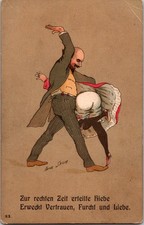
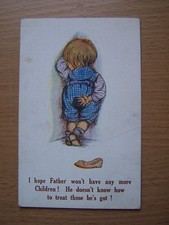
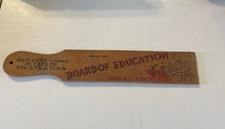
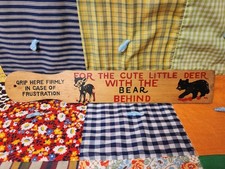
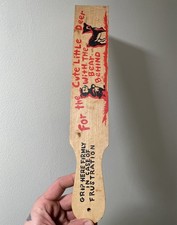
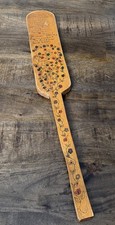
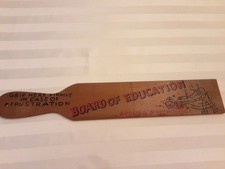
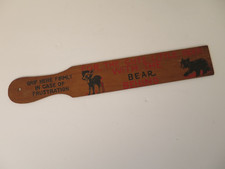
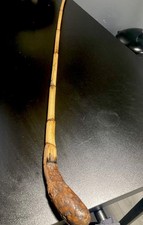
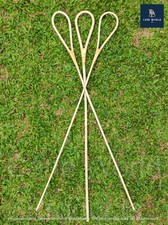
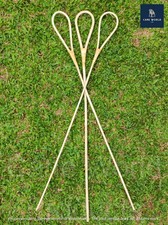
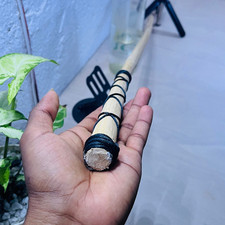
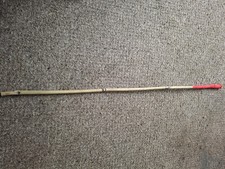
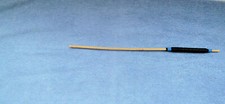
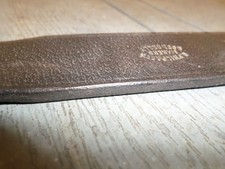
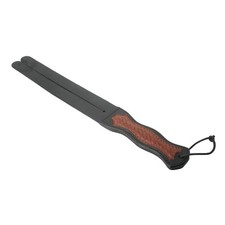
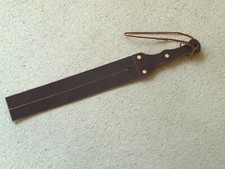
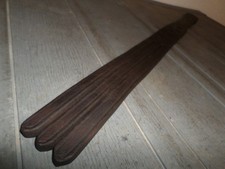
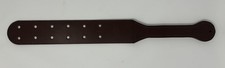
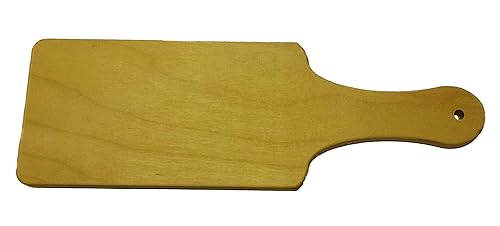
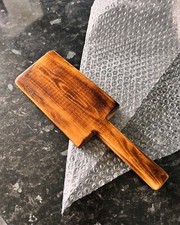
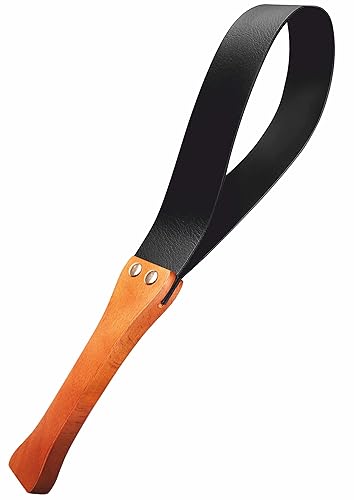
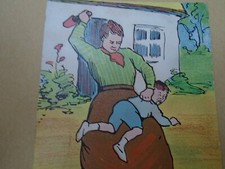
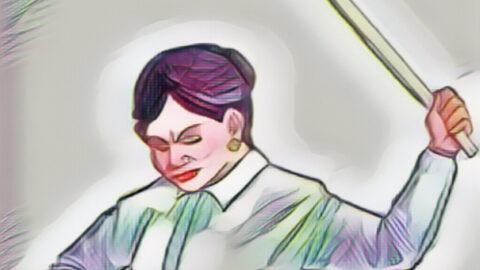
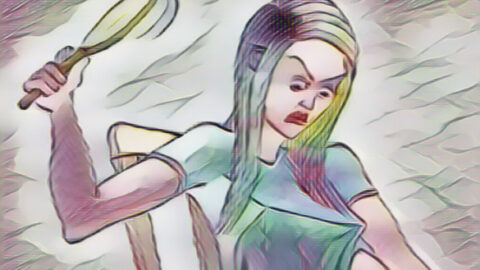
(short pause) But the Kerala Store was also where my mother would buy the chooral—the rattan cane. It hung behind the counter, a silent threat, and the shopkeeper would hand it over with a knowing look. “For discipline,” he’d say, and Amma would nod, her lips pressed tight. The chooral was as much a part of our home as the crocheted blankets and the humming electric fire. Its swish was unmistakable, slicing through the air before it landed on our palms or thighs, leaving behind those angry red lines that would fade to blue and then to memory.
(pause) My mother was a woman of iron will, shaped by her own childhood in Kerala and the hardships of immigrant life. She believed, as so many did, that discipline was love, and that the only way to ensure our success in this foreign land was to keep us on the straight and narrow. She was strict, yes, but also fiercely protective. I remember her standing in the kitchen, steam rising from the pressure cooker, her eyes scanning our report cards with a mixture of hope and dread. If the marks were not up to her standards, she would call us into the small bedroom, close the door, and flex the cane in her hands. The ritual was always the same: a stern lecture, the sting of the chooral, and then, later, a quiet cup of tea and a gentle hand on the shoulder.
(short pause) We tried everything to escape the cane. My brother and I would hide it behind the wardrobe or under the bed, only for Amma to produce a new one the very next day. It seemed as if the chooral multiplied, always ready, always waiting. Sometimes, we’d plead with her, promising to do better, but she’d just shake her head and say, “This is for your own good. One day, you’ll thank me.”
(pause) Our days were a blur of school, chores, and study. Amma insisted we begin revising a month before exams, and there was no rest between the three annual finals. Each evening, she’d sit with us at the kitchen table, the chooral resting beside her cup of tea. My brother would go first, reciting his lessons while I waited, heart pounding, trying to remember every answer, every fact. The fear was real, but so was the determination to make her proud.
(short pause) Outside, the estate was alive with the sounds of London—children’s laughter, the clatter of bikes, the distant strains of a pop song from a neighbour’s radio. But inside our flat, the world shrank to the rhythm of our family: Amma’s voice, the hiss of the gas stove, the soft thud of the cane, and the comfort of her arms after the storm had passed.
(pause) There were moments of joy, too. Sunday mornings meant idlis steaming in the kitchen, the smell of coconut chutney filling the air. We’d gather in the lounge, watching black-and-white television, Amma humming along to old Malayalam songs. Sometimes, she’d tell us stories of her own childhood—of monsoon rains and mango trees, of festivals and family gatherings. In those moments, the distance between London and Kerala seemed to vanish, and we belonged to both worlds at once.
(short pause) Looking back, I realise how much my mother carried—her hopes, her fears, her longing for home. The discipline, the chooral, the endless push for achievement—they were all part of her way of loving us, of preparing us for a world that was often unkind to outsiders. The cane was finally retired when we entered higher education, but its lessons lingered, shaping us in ways we only understood much later.
(pause) Today, I am grateful for all of it—the pain, the love, the resilience. My mother taught me not just how to succeed, but how to hold on to who I am, even in a place far from home. And whenever I pass a shop selling jackfruit chips or hear a snatch of an old Malayalam song, I remember those days on the estate, and the fierce, complicated love that made us who we are.