(gap: 2s) In the gentle hush of our little council flat, nestled among the endless rows of pebble-dashed maisonettes and the ever-present Kentish wind, life moved to a rhythm all its own. The kettle was always singing, its shrill whistle weaving through the rooms like a familiar tune, and the scent of strong tea and coal smoke seemed to linger in every corner. Our home was modest, but it was filled with warmth—a place where laughter and lessons mingled, and where my mother’s presence was the steady heart of it all.
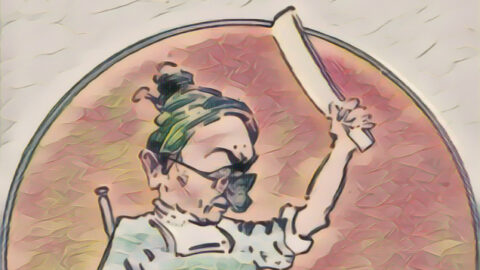
(short pause) My mother was a woman of quiet strength, her floral pinny always dusted with flour or tea leaves, her hands both gentle and capable. She believed that children should be honest and respectful, and that sometimes, the most important lessons were learned not from words alone, but from actions that left a lasting impression. On the mantelpiece, above the flickering fire, sat a sturdy wooden hairbrush—its handle worn smooth by years of use. It was not just for taming unruly hair, but for reminding us, when we strayed, of the value of good behaviour and the importance of truth.
(pause) I had felt the sting of that hairbrush more than once, and though it smarted, I always knew it was wielded with love, never anger. My mother’s corrections were firm but fair, her voice steady and her eyes kind, even in moments of discipline. My older sister, Rebeca, was clever and quick, her laughter bright as the morning sun, and I often thought Mother was softer with her. But one blustery afternoon, as the wind rattled the windowpanes and the radio played The Kinks softly in the background, everything changed.
(short pause) That day, the sky was a patchwork of grey clouds, and the estate was alive with the shouts of children and the clatter of bicycles. Rebeca, emboldened by the promise of adventure, decided to skip school, certain that no one would notice her absence. But in our close-knit neighbourhood, news travelled faster than the wind. When we returned home, cheeks flushed from the cold and pockets full of crumbs from the corner shop, Mother greeted us with her usual gentle smile. Yet behind her eyes, there was a seriousness—a quiet watchfulness that made my heart beat a little faster.
“Rebeca, how was school today?” she asked, her voice calm but carrying a weight that made us both stand a little straighter. Rebeca, not meeting Mother’s gaze, replied, “It was alright,” her voice barely more than a whisper.
(pause) Mother set down her teacup with deliberate care, the clink of china echoing in the stillness. She folded her hands in her lap, her fingers laced together, and looked at Rebeca with eyes that seemed to see right through her. “Are you quite sure?” she said quietly, her tone gentle but unyielding. “Because Mrs. Carter saw you in the park this afternoon.”
(short pause) The colour drained from Rebeca’s face, her bravado slipping away like the last rays of sunlight on a winter’s day. She tried to protest, her words tumbling out in a rush, but Mother’s voice was gentle and firm, a steady anchor in the storm. “It is always best to tell the truth, my dear. Honesty is the mark of a good child, and lies only weigh heavy on the heart.”
(pause) Tears welled in Rebeca’s eyes, her lower lip trembling as she stared down at her scuffed shoes. The room seemed to grow quieter still, the only sounds the faint ticking of the clock and the distant laughter of children drifting in through the cracked window. Mother stood, her floral pinny rustling softly, and reached for the hairbrush on the mantelpiece. The polished wood felt cool and solid in her hand, its weight a familiar reassurance—a symbol of her love and her duty.
(short pause) With a gentle but unwavering expression, Mother settled herself in her favourite chair by the fire, the faded upholstery creaking beneath her. She patted her lap, and Rebeca, cheeks flushed and eyes shining with tears, shuffled forward, her small hands twisting nervously in the fabric of her skirt. Mother guided her gently over her knee, her touch firm but never cruel. The air was thick with anticipation, the scent of coal smoke and tea mingling as the radio played a distant, comforting tune. The fire cast flickering shadows on the walls, and for a moment, time seemed to stand still.
(pause) The first smack of the hairbrush landed with a crisp, echoing sound—a sharp crack that seemed to fill the little room and linger in the air. Rebeca gasped, her hands clutching at Mother’s pinny, the sting of the polished wood blooming hot and bright across her skin. Each measured stroke was delivered with care, not anger, the rhythm steady and sure. Mother’s hand never faltered, her movements precise and controlled, her face calm and resolute. Rebeca’s sobs mingled with the soft hum of the fire and the far-off ring of church bells, her tears falling onto the faded carpet below. The lesson was not in the pain, but in the love that shaped it—a love that sought to guide, not to harm.
(short pause) Through it all, Mother’s voice remained gentle, her words clear and full of love: “This is for your own good, darling. We must always do what is right, even when it is hard. The truth may sting, but it sets us free.” The lesson was as much in her tone as in the hairbrush—firm, unwavering, but never unkind. Her eyes, though stern, shone with pride and sorrow, for she knew that every correction was a step toward a better tomorrow.
(pause) When it was over, Mother set the hairbrush back on the mantelpiece with a quiet sigh, her hand lingering for a moment on Rebeca’s shoulder—a silent promise of forgiveness and love. Rebeca hurried to her room, her lesson learned, cheeks still wet but her heart lighter for knowing she was forgiven. I watched in silence, the warmth of the fire and the scent of tea wrapping around me like a soft blanket, understanding in that moment that love sometimes meant correction, and that honesty was a treasure to be guarded above all else.
(long pause) As the evening shadows lengthened and the comforting sounds of home returned—the clink of mugs, the gentle murmur of the radio, the distant laughter of children—I knew that Mother’s love was at the heart of everything she did. In our family, mistakes were met with kindness and correction, and every day brought a chance to do better. The lessons of honesty, respect, and loving correction were woven into the very fabric of our lives, as enduring as the scent of tea and the warmth of the fire. And so, we learned—sometimes the hard way, but always with love—that the greatest treasures in life are not found in riches or comfort, but in the simple, steadfast bonds of family, and in the courage to always do what is right.