(gap: 2s)Back in the more gentle times of the early 1970s, I would spend one afternoon each week at my great grandmother’s house, after my half-day at kindergarten. Her home was always tidy and welcoming, filled with the comforting scent of tea and the soft hum of the electric fire.
I looked forward to these visits, for sometimes my two cousins would join me. Together, we would play merrily while my grandmother and aunt sat nearby, their voices a gentle background to our laughter. One of our favourite amusements was to stand upon an old wooden chair by the window, pretending to spot Father Christmas or the Easter Bunny. We would call the others to look, only to exclaim, “Too late, you missed him!” when they arrived. Such innocent mischief brought us much delight.
However, our repeated climbing upon the chair left it rather worse for wear. Eventually, my grandmother, with a kind but firm voice, asked Aunt Susie to ensure that we no longer stood on the chair. The rules were clear: the chair was not for climbing.
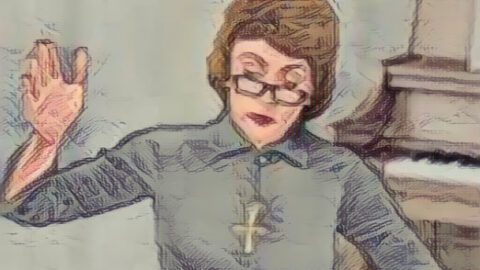
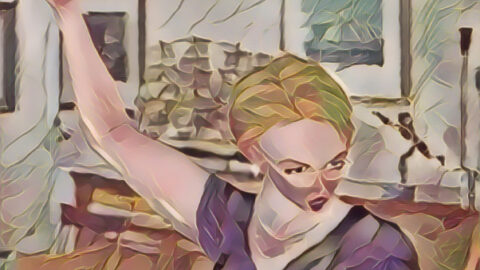
Aunt Susie gathered us together, her finger gently pointing as she spoke. “Children,” she said, “the next one to climb on the chair shall receive a spanking before everyone.” Her words were not harsh, but they carried the weight of authority, and we listened with wide eyes.
We all took the warning to heart. I remembered once seeing my cousin Kali receive a spanking across her mother’s knee. Though it was not severe, and Kali even giggled through most of it, the lesson was clear: rules must be respected, and consequences would follow if they were not.
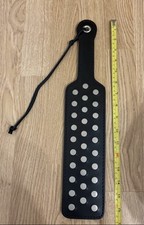
At home, I too had received the occasional spanking, sometimes with a ping pong paddle or a harmless toy whip. Yet, never had I experienced the formality of a public spanking, trousers down, over the knee, before all.
After Aunt Susie’s warning, we resolved to obey. But habits are hard to break, and that very afternoon, I forgot myself and leapt onto the chair. Realising my mistake, I quickly jumped down, hoping no one had seen.
Alas, I noticed a small mark left by my shoe upon the seat. Try as I might, I could not remove it. Fearing discovery, I did what many a child has done—I ran away, hoping the matter would be forgotten.
For a time, I succeeded in putting the incident from my mind. But soon, Aunt Susie’s voice rang out, calling all three of us to her side. We hurried to the scene, where she and Grandmother stood, arms folded, faces stern.
Our hearts pounded with fear. The mark on the chair was plain to see, but I could not bring myself to confess. Aunt Susie, unable to determine the culprit, threatened to spank all three of us unless the truth was told.
In the end, it was Jim, my cousin, who was blamed. I am ashamed to say that I did not speak up. At that age, the thought of such a punishment was too much to bear, and I felt only relief that I had escaped.
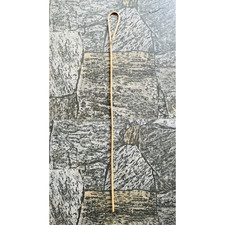
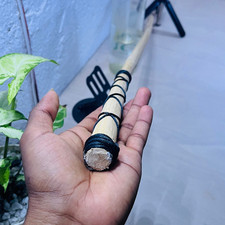
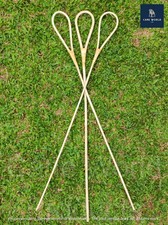
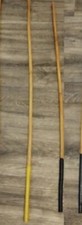
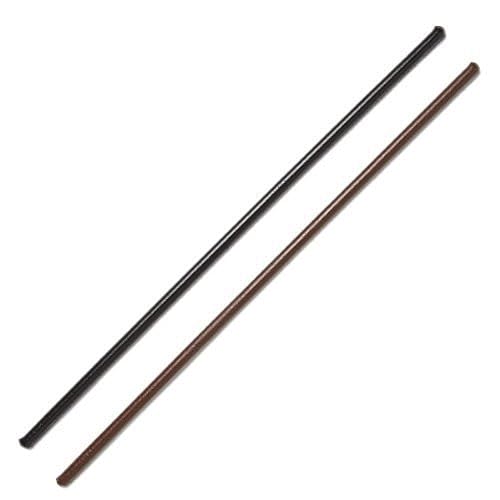
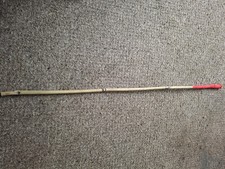
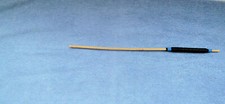
Aunt Susie sat down and called Jim to her. He protested his innocence, blaming first Kali, then me, but Aunt Susie was resolute. She produced a small stick, about the length of a flute, and instructed Jim to prepare himself.
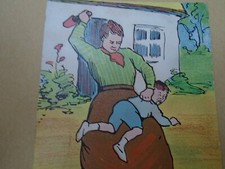
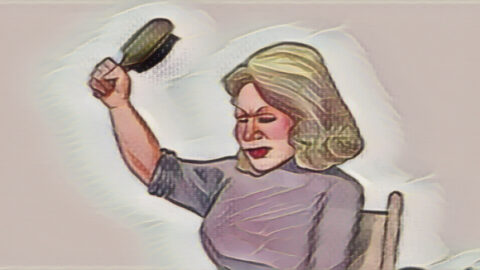
Jim tried to run, but Aunt Susie caught him firmly. She placed him over her knee, holding him securely with one arm. With the other, she raised the stick and delivered several brisk strokes to his bottom. Jim cried out, his face wet with tears, but Aunt Susie continued until she was satisfied that the lesson had been learned.
The spanking was not cruel, but it was certainly memorable. Jim’s bottom turned a deep red, and he promised never to disobey again. Aunt Susie comforted him afterwards, reminding him that rules are made for our safety and that honesty is always best.
Some years later, I too received a spanking with a similar stick from my own mother. Though my trousers remained up, the sting was sharp, and I quickly understood how important it was to listen and obey.
The lesson was clear: when we break the rules, we must accept the consequences with courage and resolve to do better in future. Spankings, though unpleasant, were given with love and the hope that we would grow into good and honest people.
As children, we sometimes forget that our elders discipline us not out of anger, but out of care. The panic we feel in those moments is soon replaced by the comfort of knowing we are loved and guided.
After Jim’s spanking, Kali whispered to me, “This is the best I’ve ever seen.” We both watched, wide-eyed, as Jim was comforted by his mother. Though we did not ask Jim how he felt, we knew he would remember the lesson for a long time.
When Jim stood up, I noticed a mark on his thigh, which I later learned was simply from rubbing against his mother’s stockings. His bottom, once pale, was now red and warm, a sign that the lesson had been well delivered.
A few days later, Kali confided that Jim had told her he was not the one who had climbed on the chair. She suspected me, but I denied it. In my heart, I knew the truth, and I was grateful that my cousins did not tell Aunt Susie.
Looking back, I realise that these moments, though difficult, helped me to understand the importance of honesty, respect, and obedience. The gentle discipline of our elders was meant to guide us, and I am thankful for the lessons I learned in that warm, loving home.
And so, dear reader, remember always to tell the truth, to respect the rules set by those who care for you, and to accept correction with grace. For in doing so, you will grow into a person of good character, just as every child should.