In the shadowy corners of Surrey, where the clouds hung low and the houses stood in neat, grey rows, there lived two boys—Simon and myself—who knew well the peculiar rules of our world. Our council estate was a kingdom of small dramas and quiet pride, where every mother polished her doorstep until it gleamed and every child wore a uniform that had seen better years. Pride was the only thing that cost nothing, and so it was guarded most fiercely of all. The air always seemed tinged with the scent of coal smoke and boiled cabbage, and the distant clang of the rag-and-bone man’s bell was as familiar as the church bells on Sunday.
(pause) One chilly morning, Simon and I shuffled along the pavement, our breath misting in the air, our hands thrust deep into the pockets of our threadbare coats. The estate was waking: mothers in curlers and housecoats gossiped by battered prams, and the sound of a transistor radio drifted from an open window. It was then we discovered a box of eggs, cracked and forlorn, abandoned by some unfortunate soul. Two eggs remained, one with a hairline fracture, the other whole but cold to the touch. Temptation, as it so often does, whispered in our ears. We crept to the railway bridge, hearts thumping, and with a wicked thrill, each dropped an egg towards the passing train below. Both eggs missed their mark, splattering harmlessly on the gravel. For a fleeting moment, laughter banished the heavy burden of being good, and we felt, just for a heartbeat, like kings of mischief.
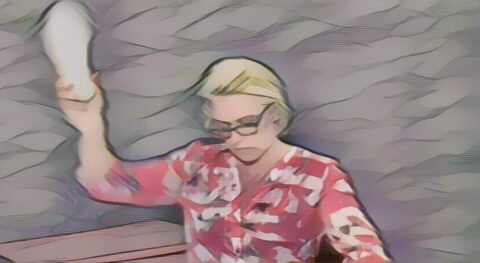
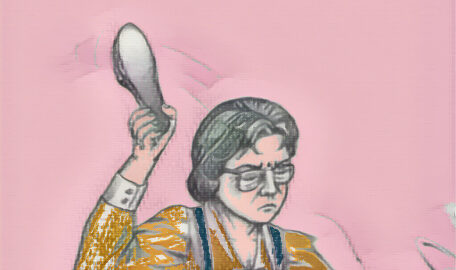
(pause) But laughter is a fleeting thing. That afternoon, as the sky darkened and the wind picked up, the summons came. Our names echoed through the corridors of the school, as ominous as thunder. Mrs Hibard, the headmistress, awaited us in her office, her eyes sharp as pins behind thick spectacles. Beside her stood a woman we did not know, and—most dreadful of all—our mothers, faces pale with worry and shame. The room smelled of polish and fear.
(pause) My mother’s housecoat was neat but faded, her hands folded tightly in her lap, knuckles white. I could not help myself. “What have we done?” I pleaded, my voice trembling. “We have not done anything wrong!” My heart hammered in my chest, and I felt Simon’s shoulder brush against mine, both of us small and shivering in the vastness of adult judgement.
(pause) Mrs Hibard, who cared for the school’s reputation as much as for its pupils, declared that we had been seen throwing stones at the trains. The unknown woman insisted she had witnessed Simon, and since we were always together, I was guilty by association. My gaze fell upon the cane resting on her desk—a thin, cruel rod, gleaming with promise. The threat of it seemed to fill the room, making the air thick and hard to breathe.
(pause) Desperate, I turned to my mother. “We only dropped an egg each, and both missed the train. That is the truth!” Simon nodded, his voice small but clear, his eyes shining with unshed tears. For a moment, the adults hesitated. Perhaps they remembered how difficult it was to keep children from mischief when the world was always watching, and the estate’s eyes missed nothing.
(pause) The grown-ups conferred in low voices, their words muffled by the heavy curtains and the weight of expectation. Mrs Hibard, determined to uphold discipline, insisted that we deserved the cane. In our neighbourhood, a family’s honour could rise or fall on the behaviour of its children, and the shame of a public caning would linger long after the bruises faded.
(pause) But Simon’s mother, her shoes as battered as her dignity, spoke up. “I do not believe the cane is necessary. The boys have been foolish, but no harm was done. I shall see to Simon’s punishment at home.” Her voice was steady, but her eyes glistened with unshed tears, and I saw in her the fierce love that mothers on our estate carried like a shield.
(pause) My mother nodded, her voice weary but resolute. “He deserves a sore bottom, but not the cane. I shall give him the same as Simon, so that justice is done.” In our world, fairness was as important as bread, and a mother’s word was law.
(pause) Mrs Hibard, her lips pressed thin, relented at last. “Very well. But I must insist that both boys receive a very sound spanking. Dropping objects from railway bridges is a grave matter. An example must be set.” Her words hung in the air, heavy as the cane itself.
(pause) The unknown woman, eager to prove her vigilance, added, “It seems to me these two do not receive nearly enough smacks!” In our estate, discipline was a public affair, and every mother was a judge, every window a witness.
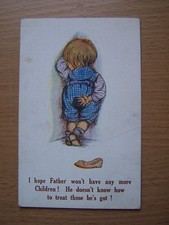
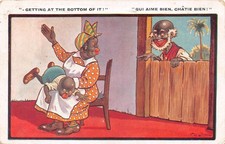
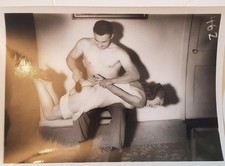
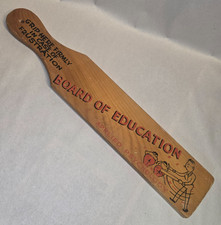
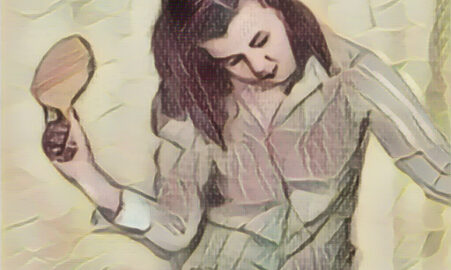
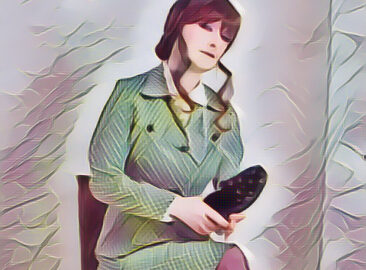
(pause) And so, the sentence was passed. Simon and I were led home, our hearts pounding with dread. The walk back was silent, save for the crunch of gravel beneath our shoes and the distant shouts of children playing. That evening, in the cold kitchen, my mother fetched the wooden-backed hairbrush, its surface smooth from years of use, the handle worn by countless lessons. She sat upon a hard chair and beckoned me forward. My hands shook as I bent over her lap, the linoleum icy beneath my toes, the kitchen clock ticking out my doom.