(gap: 2s) Once upon a Time, in a sun-dappled Texas town where the porches were wide and the hearts even wider, children grew up with the Ten Commandments as their guiding stars. In those gentle days of the 1950s, every home was a little kingdom, and the rules of that kingdom were written in the good book, spoken softly by mothers and fathers, and echoed in the songs of the church choir. The air was always thick with the scent of honeysuckle and fresh-cut grass, and the sound of laughter drifted through open windows, mingling with the distant chime of church bells and the lowing of cows in the fields beyond.
The Ten Commandments were not just words on a wall—they were the golden threads that stitched together the fabric of daily life. “Honor thy father and mother,” the grown-ups would say, and every child knew that meant listening, minding your manners, and always speaking with respect. “Thou shalt not steal,” “Thou shalt not bear false witness,” and “Thou shalt not covet” were lessons learned at the breakfast table, in the schoolhouse, and especially on Sunday mornings when the church bells rang clear and true. Even the smallest hands folded in prayer, and the youngest voices joined in the hymns, their eyes shining with the hope of pleasing both their parents and the Lord above.
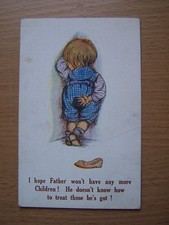
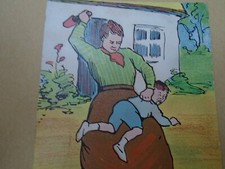
In those days, when a child strayed from the path—perhaps by telling a fib, taking a cookie without asking, or sassing back to a grown-up—there were consequences, swift and sure. A stern talking-to was common, but sometimes, when the lesson needed to be remembered, a spanking was given. It was not done in anger, but with a heavy heart and a steady hand, for parents believed it was their duty to teach right from wrong. I remember the sound of the screen door creaking open, the hush that fell over the house, and the way the sunlight seemed to dim just a little when Mama called my name in that special, serious tone.
Excuses were not part of the world then. Every neighbor, every teacher, and even the kindly preacher watched over the children, helping them remember the difference between right and wrong. If a child made a mistake, word would travel quickly, and the lesson would be learned not just at home, but in the eyes of the whole community. I recall once, when my friend Tommy “borrowed” a piece of penny candy from the corner store, the grocer’s gentle but firm hand on his shoulder, and the way Mrs. Jenkins, our Sunday school teacher, looked at him with both disappointment and hope. Tommy returned the candy, apologized, and spent the afternoon sweeping the store’s porch, learning that honesty was a treasure more precious than any sweet.
The Ten Commandments hung in every classroom and were recited in Sunday school with clear voices and shining eyes. They were the measure of every deed, big or small. To break one was to disappoint not only your parents, but your neighbors, your teachers, and even the Lord above. I remember the chalky feel of the blackboard under my fingers as I traced the words, and the way my heart fluttered with pride when I could recite them all by heart, standing tall in my best Sunday dress.
I remember, as all children do, how my own dear mama watched over me with loving care. She believed that letting a child break a commandment—even in the smallest way—was to let a weed grow in the garden of the soul. (short pause) One Sunday, when my Sunday school teacher called to say I had spoken out of turn, it was as if a dark cloud had drifted over our sunny home. The news reached Mama before I could even pedal my bicycle up the drive. I can still feel the hot Texas sun on my back, the dust rising behind my wheels, and the knot of worry growing in my stomach as I saw Mama waiting on the porch, her silhouette framed by the golden afternoon light.
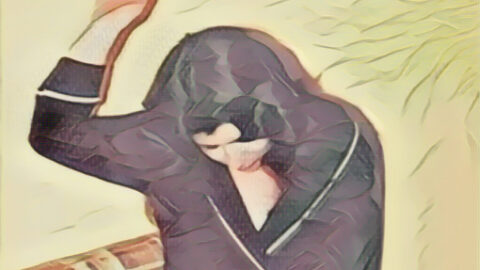
As I walked up the gravel path, my heart thumped like a rabbit’s. There was Mama, waiting on the porch, her face kind but firm, a black leather belt resting in her hand. Her eyes were gentle, but I knew she meant business. The air was still, save for the distant hum of a milk truck and the soft crunch of gravel beneath my shoes. I remember the way the cicadas fell silent, as if the whole world was holding its breath, and the way Mama’s shadow stretched long across the porch, reaching out to meet me.
When I drew near, Mama lifted the belt and spoke in a voice that trembled with both love and disappointment. “You know better than to break the commandments, child,” she said, her words floating out into the quiet street. Before I could utter a word, she took my hand and led me inside, the screen door closing with a soft clap behind us. I caught a glimpse of my little brother peeking from behind the curtains, his eyes wide with worry, and the faint smell of cornbread baking in the kitchen.
The hallway seemed longer than ever, and the living room, with its lace curtains and the sweet scent of tea, felt suddenly far away. Mama sat on the edge of the chenille sofa, pulled me gently across her lap, and with a steady hand, raised the belt. I squeezed my eyes shut, clutching the arm of the sofa, the fabric cool and soft beneath my fingers. The clock on the mantel ticked louder than ever, and the radio in the kitchen played a Patsy Cline tune, its melody drifting through the house like a bittersweet lullaby.
The first swat landed with a sharp, stinging sound—a lesson written not in ink, but in memory. The room seemed to hold its breath as each swat reminded me that the commandments were not to be taken lightly. I pressed my face into the cushions, trying to be brave, but the tears came all the same—hot and silent, like summer rain. I could hear the gentle clink of Mama’s pearl earrings, the rustle of her dress, and the faraway laughter of children playing outside, a world away from my own small sorrow.
Mama’s breath was slow and steady, her movements sure. The belt snapped and popped, a rhythm of discipline and love. I could hear the soft jingle of her pearl earrings, the rustle of her dress, and the faraway clink of a glass in the kitchen. The world shrank to the sting, the sound, and the lesson being learned. When it was over, Mama set the belt aside and smoothed my hair, her hands cool and gentle, her voice soft as she whispered, “I love you, child. I only want you to grow up good and true.”
At last, the spanking was over. The silence that followed was thick and gentle, broken only by my sniffles and the ticking of the old clock on the mantel. I remember the way the sunlight slanted through the lace curtains, painting patterns on the floor, and the way Mama’s arms felt safe and warm as she held me close. She wiped my tears with the corner of her apron and kissed the top of my head, her lips cool and sweet as iced tea.
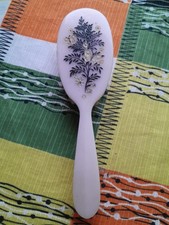
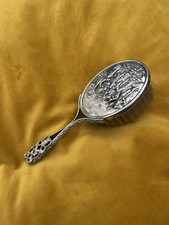
Mama helped me up and spoke softly, “If you break the commandments again, you’ll answer for it—just as you did today. Next time, I may use the hairbrush or the paddle.” Her words were not angry, but full of the hope that I would grow to be good and true. I nodded, my cheeks still wet, and promised to do better, my heart swelling with both shame and love.
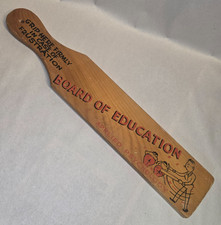
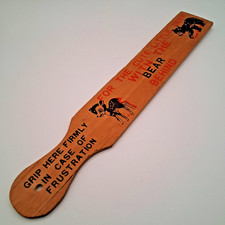
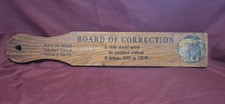
And she kept her promise. Not long after, a small leather paddle appeared on the pine sideboard, always close at hand. Mama used it when she needed to, never in anger, but always with the hope that I would remember the lesson. I never grew used to the sting, nor the shame, nor the hush that fell over the house in those moments. I surely did not enjoy those spankings. (long pause) But the memory of them lingers, as sweet and clear as the taste of Mama’s tea and the sound of the milk truck on a quiet Texas road. In our little town, the Ten Commandments were more than rules—they were the very heart of our lives, and learning to follow them was the greatest lesson of all.
(short pause) Sometimes, on warm summer evenings, Mama and I would sit together on the porch swing, the air thick with the scent of magnolia and the distant song of a whippoorwill. She would tell me stories of her own childhood, of the lessons her mama taught her, and the times she too had learned right from wrong. We would sip sweet tea and watch the fireflies dance in the dusk, our hearts light and our spirits at peace, knowing that love and discipline, like the Ten Commandments, would guide us always.