(gap: 2s) On the bright, blustery mornings of the 1960s, the new housing estates on the edge of Glasgow bustled with life and hope. The air was sharp and fresh, carrying the scent of coal smoke and the distant tang of the river. Rows of concrete flats stood proud and new, their windows gleaming in the pale Scottish sun. Washing lines fluttered bravely between metal poles, and children, clad in hand-me-down jumpers and well-worn shoes, chased battered footballs across muddy patches of grass. Mothers, wrapped in faded housecoats and headscarves, gathered by prams and chatted in gentle voices, their laughter mingling with the hum of traffic and the occasional clang of a bicycle bell. There was a sense of promise in the air, as if the very bricks and mortar whispered of better days to come.
Yet, beneath this cheerful bustle, life was not always easy. Money was tight, and every penny was counted with care. The wind would whistle through the gaps in the concrete, making the net curtains dance and the children shiver on cold mornings. Still, families did their best to make these new flats into warm, loving homes. The kettle was always on the boil, and the comforting aroma of strong tea drifted through the rooms, mingling with the faint notes of pop music from a neighbour’s radio. (short pause)
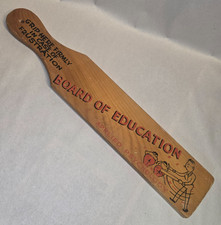
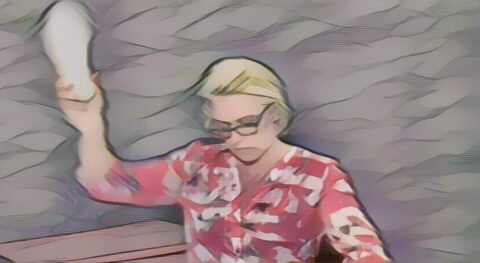
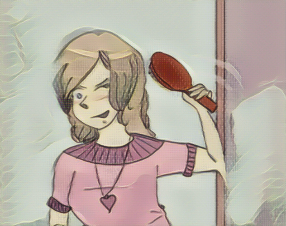
In those days, discipline was considered a most important part of growing up. At school, the teachers wielded a thick leather strap called the tawse, which hung ominously on the wall behind the head’s desk. It was not uncommon to see a line of anxious children waiting outside the office, hands trembling and eyes wide, ready to receive their punishment. At home, mothers and fathers would use whatever was nearest—a belt, a hairbrush, or even a slipper—to correct naughty behaviour. No one questioned these methods, for it was believed that such discipline would help children grow into good, honest adults. The lessons were hard, but they were meant to be remembered.
I had a dear friend who lived next door, and we were as close as sisters. We shared everything—our secrets, our sweets, and our dreams. We played together in the playground, our laughter ringing out as we swung higher and higher, and we whispered to each other under the covers at night, making plans for grand adventures. Of course, being so close meant that we sometimes found ourselves in trouble together, as children so often do.
One chilly morning at school, we made a very poor decision indeed. The lessons seemed dreadfully dull, and the sun was shining so invitingly outside. We whispered and giggled, and before we quite knew what we were doing, we slipped away from our classroom and tried to sneak out of the school grounds. Our hearts pounded with excitement and fear, but our adventure was short-lived. We were caught by the sharp-eyed assistant headmistress, who looked most displeased. Her lips pressed into a thin line, and her eyes flashed as she told us that we would each receive six smacks with the school belt for our naughtiness.
The punishment was swift and severe. We were told to bend over the back of a sturdy wooden chair, our skirts smoothed down and our hands gripping the seat. The assistant headmistress delivered six sharp, stinging smacks to each of us, right across our backsides. The pain was immediate and fierce, and we could not help but cry out. Tears pricked our eyes and rolled down our cheeks, and our hands flew to our sore bottoms as soon as we were allowed to stand. By the time we walked home through the estate, the pain had faded to a dull ache, but our shame lingered. We trudged along the cracked pavements, our heads bowed and our cheeks burning, hoping no one would notice our red eyes.
However, when we arrived at my flat, we found my mother, my aunt, and my friend’s mother waiting for us in the living room. The school had telephoned, and our mothers were very cross indeed. Their faces were stern, and their voices were quiet but full of disappointment. In those days, parents expected their children to behave well, especially after working so hard to provide a better life in these new homes. The room was filled with the scent of tea and coal smoke, and the only sounds were the ticking of the clock and the faint hum of traffic outside.
My friend’s mother spoke first, her voice trembling with anger and worry. “You girls may have sore backsides already, but your real punishment is only just beginning!” she said sternly. My heart thudded in my chest, and I felt a wave of dread wash over me. We stood in the middle of the room, feeling terribly ashamed, our hands clasped tightly in front of us and our eyes fixed on the worn carpet.
Soon, my friend was led to the end of the couch. Her mother, though gentle, was firm as she bent her over the arm, so that her bottom was raised and her face was hidden in her hands. The fire crackled in the grate, casting flickering shadows on the walls, and the smell of tea and coal smoke seemed stronger than ever. I watched, my stomach twisting with fear and sympathy, as her mother picked up a leather strap from the table. She tapped it on her daughter’s bottom as a warning, then raised it high and brought it down with a loud, echoing smack. The sound filled the room, and I flinched with every stroke.
My friend received twelve hard smacks, each one landing with a sharp, deliberate thud. With each stroke, she cried out, her voice growing more desperate and her sobs louder. By the seventh smack, she was kicking and writhing, her skirt riding up as her mother held her steady. The strap left bright red marks on her skin, and her tears fell freely, glistening on her cheeks. It was a harsh lesson, and I could see how much it hurt her, both in body and in spirit. Yet, her mother believed it was necessary, a way to teach her daughter never to misbehave again.
When the twelfth smack had landed, my friend was helped to her feet, her legs trembling and her face wet with tears. The room was silent except for her sobs and the distant sound of church bells drifting through the window. I felt a lump in my throat and wished I could comfort her, but I knew my own turn was coming. This was a difficult moment, meant to teach us the importance of honesty and obedience, even when it was hard.
Then it was my turn. My mother took my arm and led me to the end of the couch. I felt terribly nervous, my heart beating so fast I thought it might burst. She bent me over the arm, and I pressed my face into the worn fabric, breathing in the faint scent of soap and old cushions. My hands gripped the cushion tightly, and I tried my best to be brave, though my knees were shaking.
My mother took the strap, tapped it on my bottom, and then delivered twelve firm, stinging smacks. The pain was sharp and burning, much worse than the wooden spoon or the school belt. With each smack, I cried out, unable to keep my composure. By the fourth, I was begging for mercy, my voice trembling and my tears flowing freely. The pain was overwhelming, and the embarrassment of being punished in front of everyone made it even harder to bear. I felt small and foolish, but I knew this was meant to teach me a lesson I would never forget.
When the last smack had landed, I was allowed to stand. My legs were shaky, and tears ran down my cheeks. The room was quiet, except for my ragged breathing and the distant hum of the city outside. (pause) Even in these new homes, life was not always easy for families like ours. But in those days, discipline was considered a necessary part of growing up, and every child was expected to learn from their mistakes. And so, we did our best to be good, honest children, hoping to make our parents proud, and to remember always the lessons we had learned on that blustery Sunday afternoon.