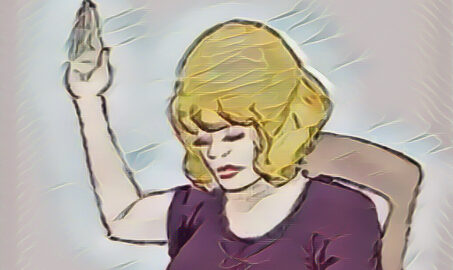
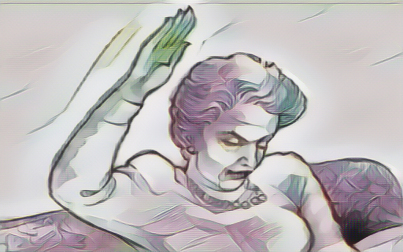
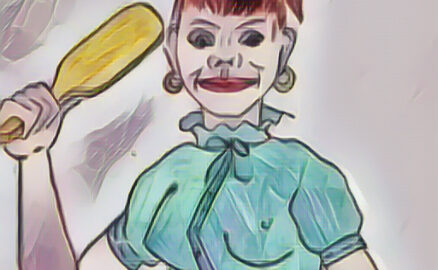
(gap: 2s) Once upon a time, nestled in the green, rolling hills of Wales, there was a cheerful little village called Gwernogle. In one of its neat stone cottages lived two sisters, Mary and Susan, whose laughter often rang out across the garden and down the winding lanes. Their home was always filled with the comforting scent of baking bread, the gentle hum of the radio playing softly in the background, and the warmth of a crackling fire on chilly evenings. Their mother, Mrs. Brown, was a kind-hearted but firm lady, with twinkling eyes behind her spectacles and a voice that could be gentle as a summer breeze or as stern as a winter wind. She believed that children should always behave properly, learn from their mistakes, and above all, grow up to be good and kind.
The cottage itself was a picture of cosiness. The living room was decorated with floral patterned settees, black-and-white family photographs on the mantelpiece, and an upright piano in the corner where Susan sometimes plinked out simple tunes. The kitchen always smelled of fresh bread, and the garden was a riot of colour in spring, with daffodils nodding their golden heads and a neat row of carrots poking up from the earth. Mary and Susan shared a small, sunlit bedroom with patchwork bedding, faded paisley wallpaper, and a much-loved Tom Jones poster tacked to the wall.
One week, however, Mary found herself in a rather gloomy mood. She had hoped for a new pair of shiny red shoes, but the shops in the village had none in her size. Her best friend, Lucy, had not come to her birthday tea, and she had not done well in her arithmetic lesson at school. Even her favourite teacher, Miss Evans, had not chosen her to lead the class game of rounders. It was, indeed, a most disappointing week, and Mary felt as if a little grey cloud was following her everywhere she went.
Mary wandered about the house, sighing and frowning, hoping that everyone would notice her misery. She dragged her feet along the flagstone floor, peered out of the window at the rain, and even refused a slice of her favourite currant bun. On Saturday morning, she sat on the rug in the parlour, watching the black-and-white television with a sulky expression. Father was out playing golf with his friends, and Susan was visiting a neighbour to help feed their chickens. Mrs. Brown entered the room, her knitting in hand, and sat down on the settee beside Mary. Her eyes were gentle, but her voice was as firm as ever.
“Mary, when are you going to cheer up?” she asked, her needles clicking softly. Mary did not reply, so Mrs. Brown continued, “I do not like the way you have been behaving, and your father does not either. You have been sulking and sighing all week. What do you intend to do about it?” Mary only shrugged her shoulders, her lower lip jutting out stubbornly.
“Well, then,” said Mrs. Brown, setting her knitting aside and standing up, “it seems I must take matters into my own hands. It is quite clear that you are in need of a proper lesson.” “Oh, Mother!” cried Mary, her eyes wide. “I am far too old for that sort of thing. You have not punished me since I was ten.”
“And yet you are behaving just as you did when you were ten years old,” replied Mrs. Brown, her voice calm and steady, though a little smile played at the corners of her mouth. “Sometimes, my dear, we all need a reminder of how to behave, no matter how old we are.”
Mary stared at the television as her mother left the room. The clock on the mantelpiece ticked loudly in the silence. A few minutes later, Mrs. Brown returned, holding the family slipper in her hand—a well-worn, soft leather slipper that had seen many years of use. “Let us get this over with,” she said, her tone brisk but not unkind. “Surely you are not serious, Mother?” Mary protested, her cheeks flushing. “You have ten seconds to come here and do as you are told,” said Mrs. Brown, her eyes twinkling just a little.
Mary could see that her mother meant every word. She knew that if she did not obey, she would be sent to her room for a whole week, and perhaps even miss the village picnic, which was the highlight of the month. Reluctantly, she stood up, her heart thumping in her chest.
At first, Mary was not very worried. Her mother’s punishments had never been too severe, and she thought she could bear it. But as she approached, her heart began to pound even harder. Mrs. Brown sat on the settee and patted her lap, and Mary, cheeks burning with embarrassment, lay herself across her mother’s knees. The room was quiet except for the ticking of the carriage clock and the faint sound of birds chirping outside the window.
“That is a good girl,” said Mrs. Brown, smoothing Mary’s skirt and tucking a stray curl behind her ear. “This will not take long, but you must learn your lesson.” Mary squeezed her eyes shut, feeling dreadfully ashamed, but she knew she deserved it. She remembered all the times she had snapped at Susan or refused to help set the table, and she felt a pang of guilt.
Mrs. Brown began with her hand, delivering six firm smacks to Mary’s bottom. Each smack landed with a sharp, unmistakable sound, echoing in the quiet room. “One—smack! Two—smack! Three—smack! Four—smack! Five—smack! Six—smack!” With each one, Mary flinched and let out a small gasp, her face growing hotter and her eyes prickling with tears. She tried to be brave, but it was not easy.
Then, Mrs. Brown picked up the slipper. “Now, Mary, you shall have twelve with the slipper, and you must count each one aloud.” Mary’s eyes widened, but she nodded bravely, her voice trembling. The slipper was not heavy, but it was enough to make her remember her lesson.
The first smack of the slipper landed with a crisp, stinging sound. “One,” Mary choked out, her voice barely above a whisper. The second and third followed quickly—“Two. Three.” By the fourth, Mary’s legs kicked involuntarily, and she gripped the cushion tightly. “Four. Five. Six.” Tears spilled down her cheeks, but she kept counting, her voice quivering. Mrs. Brown paused, then delivered the next six, each one a little sharper than the last. “Seven.” The slipper cracked down. “Eight.” Mary sobbed. “Nine. Ten. Eleven. Twelve.” Each number was punctuated by a sharp smack, and by the end, Mary was crying openly, her bottom stinging fiercely.
Mrs. Brown put down the slipper and gently rubbed Mary’s back. “There, there, my dear. It is all over now. You have taken your punishment bravely, and I am sure you will remember to behave better in future.” Mary’s sobs quieted, and she felt a strange sense of relief. Her mother fetched a clean handkerchief and dabbed away Mary’s tears, then hugged her close.
Mary sat up, her cheeks wet with tears, but she felt a great sense of relief. She knew she had been forgiven, and her mother hugged her close. They sat together for a while, and Mary felt very much loved, the sting of the lesson lingering as a reminder. Mrs. Brown poured her a cup of warm milk and offered her a slice of currant bun, and Mary managed a small, grateful smile.
Later that afternoon, Mary and Susan played in the garden, their laughter ringing out once more. They chased butterflies, played hopscotch on the path, and helped their mother weed the flowerbeds. Mary felt lighter, as if the little grey cloud had finally drifted away. She even apologised to Susan for being cross earlier in the week, and Susan forgave her at once, as sisters always do.
When Father and Susan returned from their errands, they did not ask why Mary was a little quieter than usual, or why she chose to stand rather than sit at tea. Mrs. Brown and Mary shared a secret smile, and the house was filled with peace once more. That evening, the family gathered around the piano, singing old Welsh songs, and Mary felt happier than she had all week.
From time to time, Mary or Susan would forget themselves and misbehave, as all children do. Sometimes it was a quarrel over a skipping rope, or a forgotten chore, or a fib told in haste. Whenever this happened, Mrs. Brown would fetch the slipper from its place on the dresser. Each time, she would give exactly twelve smacks, and the girls would count them aloud, learning to be good and kind. The sting was sharp, but the lesson was always clear: their mother’s discipline was fair and loving, and it helped them grow into sensible, happy young ladies.
And so, in the little stone cottage, with its neat garden and cheerful rooms, Mary and Susan learned that even the sharpest lesson could be given with love, and that forgiveness was always waiting at the end. They grew up knowing that mistakes could be mended, and that kindness and honesty were the most important things of all. And whenever they saw the old slipper resting on the dresser, they remembered the lessons of their childhood, and smiled.