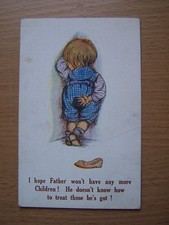
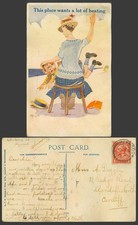
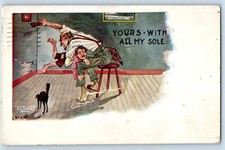
The slipper (the right slipper!) can be an extremely effective instrument for striking the buttocks. Its effect is quite different from that of the cane, at least in my experience. It is remarkable how something so ordinary-looking can produce such a powerful impact. Have you ever compared the two? A skilled person using either implement can create a very memorable experience, and the anticipation beforehand often contributes significantly to how it feels.
It has now been around six months since I first experienced a traditional caning. Immediately afterwards I felt that my curiosity had been completely satisfied. More recently, however, I have found myself thinking about the experience again and wondering how it would compare with a second occasion. There is something about the ritual and formality of the traditional school-style setting that creates a unique atmosphere.
For me, authenticity is important. I understand why some people prefer a warm-up beforehand, but personally I feel that it changes the character of the experience. The traditional image of simply bending over a vaulting horse or desk and receiving the strokes over gym shorts seems more consistent with the historical setting.
Part of what makes the experience memorable is the anticipation. Once you know from experience how intense the cane can be, there is naturally a greater sense of nervousness before a second encounter. That mixture of apprehension, excitement, and anticipation creates a distinctive emotional atmosphere.
The surroundings can also contribute greatly. Traditional school furniture, gym equipment, uniforms, and period details all help recreate the environment. Even small sensory details such as the smell of polished wood, leather, or gymnasium equipment can add to the sense of authenticity.
Many enthusiasts feel that recreating the full school atmosphere is an important part of the experience. Uniforms, formal lectures, traditional procedures, and period-correct equipment all contribute to the overall effect. The emphasis is often placed on recreating the historical setting as accurately as possible.
Different canes produce noticeably different sensations. A thinner, more flexible cane tends to produce a sharper sting, while a thicker cane often delivers a deeper, heavier impact. Both have their own characteristics, and individual preferences vary considerably.
Traditional rattan canes are usually quite flexible and produce a sharp, burning sensation when used firmly. Slightly thicker canes often create a broader, more penetrating effect that many people describe as deeper and more substantial.
Denser varieties of rattan are heavier and less flexible than standard canes. Their increased weight can produce a more powerful impact and often allows for greater accuracy. Because they are less prone to flexing excessively, they can feel quite different from lighter canes and are often regarded as more formidable implements.
Recently I experienced the traditional “six of the best.” It required considerable determination to remain in position throughout, and each stroke seemed significantly more intense than I had anticipated. My gym shorts provided very little protection. Afterwards, the marks were clearly visible, and I felt that I had gained a genuine appreciation of what a traditional school-style caning would have been like. Whether I would ever choose to repeat the experience remains an open question.
I have often wondered about the terminology historically used for different canes. The typical school cane is frequently described as being around 8mm in diameter and is often referred to as a senior cane. References are also sometimes made to junior canes, which were generally thinner and intended for younger age groups. It is an interesting area of historical curiosity for those who did not grow up during the period when such punishments were still used in schools.