Sheena’s story, set not in the 1960s but in 1983, at Dean Row Secondary School. Sheena’s memory is sharp, her words vivid. She recalls being caned by a male teacher, Mr. Haslam—a name that still carries weight in her mind. Years later, she shared her experience online, and the story drew the curiosity of others, prompting her to revisit those moments in painful detail.
Sheena’s account is raw and unfiltered: “I was definitely caned by Haslam. I got 10 strokes because he found out I put a book in my gym knickers. I even got to pick which cane he used. That was in 1983—I remember it well. I couldn’t sit for days. He took a run, a hop, then whoosh! All while I was spread out on the vaulting horse.”
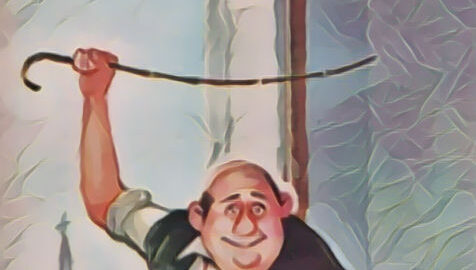
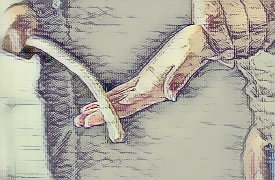
The image is striking—Sheena, a teenager, forced to choose her own instrument of punishment, the anticipation building with every second. The gym, echoing with the sounds of feet on polished floors, becomes a stage for humiliation and pain. The vaulting horse, usually a prop for athletic achievement, is transformed into an altar of discipline.
Another voice enters the conversation—Christine Lewis, curious and perhaps a little incredulous: “How did he find the book? Wasn’t it well hidden?”
Sheena’s reply is simple, almost resigned: “I think it was the sound it made.” The smallest details—an unexpected noise, a misplaced step—can unravel even the best-laid plans.
Sheena adds a note of rueful wisdom: “Silly me, I picked the thinnest cane. I learned later to pick the thickest one if I ever had to choose again. But that was the last time I was caned. My mum complained about the welts. It was embarrassing to be taken to the doctor for cream, which stung a lot.”
The aftermath lingers—physical pain, emotional embarrassment, the awkwardness of a mother’s concern. The doctor’s office, the sting of ointment, the unspoken questions hanging in the air. Childhood is full of lessons, some learned in classrooms, others in moments of vulnerability and regret.
From what I can find, Sheena’s story stands almost alone. There are few other accounts of corporal punishment at Dean Row, save for another time Sheena herself received the slipper from a female teacher. The silence is telling—was Sheena uniquely unlucky, or is there more beneath the surface, stories left untold out of shame or fear?
The details suggest a ritual, not a sudden outburst. Sheena had time to hide a book, to choose a cane. The punishment was deliberate, almost theatrical. But it raises questions—why did Mr. Haslam, a male teacher, administer such a punishment to a teenage girl? Why not call in a female colleague? The year was 1983, seven years after a landmark court case about school discipline had shaken the region. Mr. Haslam must have known the risks. Was he reckless, or simply following old habits in a changing world?
The number of strokes—ten—feels excessive, almost archaic. In the strictest boarding schools of the 1950s, such punishments might have been routine. But in the 1980s, at a comprehensive school, four or six would have been more typical. Memory can play tricks, stretching the truth, amplifying pain. We all do it—my own tales of rugby glory have grown with each retelling!
After the caning, Sheena’s mother was furious. Yet she didn’t go to the police. Perhaps Sheena was too embarrassed, or perhaps she felt she deserved what she got. The boundaries between justice and shame are often blurred, especially for teenagers caught between childhood and adulthood.
There are echoes of other stories—like the infamous 1975 caning of Lynne Simmonds at the same school, bent over a bookcase, punished on her knickers. Lynne has never shared her story online, nor has Jennifer Saunders, the actress who once called the headmistress “an absolutely ghastly woman.” Some memories are too raw, too tangled in emotion, to be spoken aloud.
Another tale comes from Kathleen, born in 1938, who was caned as part of a group at Rudheath Secondary School, Northwich, sometime between 1949 and 1953. The thread of discipline runs through generations, each story a variation on a theme—pain, shame, and the search for understanding.
So, Sheena’s story stands out—a girl, ten strokes from a male teacher in 1983, bent over a vaulting horse, punished for a desperate act of concealment. The details are vivid, but some ring false.
Canings of eight or more strokes, especially for girls, were vanishingly rare. The idea of hiding a book in gym knickers seems far-fetched—by the 1980s, those garments were tight, unforgiving. Any book would have been obvious, the sound a giveaway. Most fifteen-year-old girls are acutely aware of their appearance, especially in moments of vulnerability. Would Sheena really have risked it?
The image of a caning over a vaulting horse is dramatic, almost cinematic. It did happen, but far less often than stories suggest. And the doctor’s visit—would a mother really have taken her daughter for ointment if the skin wasn’t broken? If the welts were so severe, wouldn’t she have done more? The details blur, memory and imagination intertwining.
What’s more, Sheena seems to be the only one from her school to speak of such a punishment. Was Dean Row a small, secretive place, or was Sheena simply unlucky? Would a male teacher really risk so much, especially after a court case had put such actions under scrutiny? The questions multiply, each one casting a longer shadow.
The notion of picking your own cane from a selection is almost ritualistic. Perhaps, if a teacher had several canes, he might let a student choose—but usually for a lesser punishment, not one that left welts and required a doctor’s care. The act of choosing adds a layer of psychological torment, a sense of complicity in one’s own suffering.
In the end, I suspect Sheena’s story is embroidered, the pain real but the details stretched by time and emotion. Maybe she was caned, maybe she chose the cane, but the truth is likely more ordinary, less theatrical than memory allows.