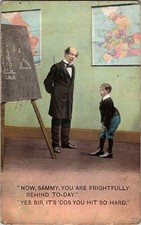
(gap: 2s) A couple more footballers caned at school; the Fashanu brothers, Justin and John. Both caned in 1977, Justin got 3 strokes and John 2 at their school in Norwich. John was born in Sept 62 and Justin in Feb 61. Both started their footballing careers at Norwich. (short pause) The echoes of discipline in those days stretched far beyond the football pitch, shaping boys into men, or so it was believed.
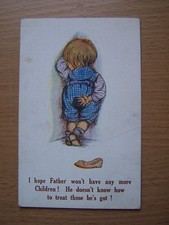
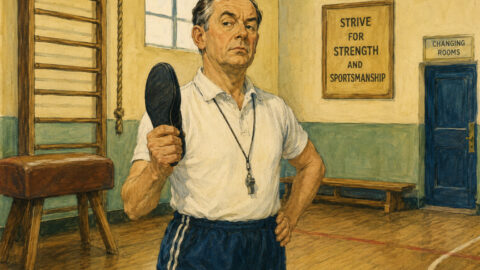
(pause) Check out Ronnie O’Sullivan’s new autobiography. He talks about the wallopings his dad used to give him, culminating on one occasion with a severe slippering, which left him with a “very sore bum”. (short pause) The slipper, a household object, became a symbol of authority and consequence.
Rik Mayall, in his recent autobiography, alludes to having received the slipper at school, in a spoof letter to his former headmaster. (pause) Humour often softened the memory, but the sting was real enough.
Howard Donald (of the famous Take That fame!) once mentioned getting the cane at school in an interview apparently. (short pause) Even pop stars weren’t immune to the rituals of discipline.
Howard Donald was quoted in the Take That annual of 1994 “I got the cane about seven times and the slipper twice” in answer to the question did you ever get detention at school? (pause) The tally of punishments became a badge of sorts, a shared experience among classmates.
The information about Teddy Sheringham came from a Man Utd magazine which used to run a feature each week asking Man Utd players about their schooldays. One of the questions was did you ever get the cane? He recalled getting the slipper in PE once or twice and the cane for throwing a snowball in class. “My hands were still cold when he hit me and it was very sore.” (pause) The cold, the sting, the memory—etched in time.
In his autobiography, Kevin Pietersen mentions getting the cane both at school and at home in SA. He was born in 1980, so this must have been in the 1990s. (short pause) The tradition lingered, even as the world changed around it.
Kevin Pietersen admits to being caned as a boy at school and by his father, but waves away the modern assumption that children who are beaten end up damaged. (pause) “I think corporal punishment was right. I was naughty at school I got caned so what?” he asks. “I don’t think there’s a problem with it. I got clouted so what?”
Actually, from what I’ve read, I think you can probably take it that just about every male who went to school in South Africa up to and including the mid-1990s was caned. It was theoretically abolished in 1996. (pause) The end of an era, but the stories remain.
(gap: 1s) The slipper, the cane, the belt—each had its place in the memory of childhood. (pause) For some, it was a lesson in respect; for others, a source of fear or even rebellion. (short pause) The rituals of discipline were woven into the fabric of daily life, from the school corridors to the cramped living rooms of council estates.
(pause) In the 1970s and 80s, stories of slipperings and canings were passed around the playground like urban legends. (short pause) Who got the most? Who cried? Who laughed it off? (pause) The bravado masked the anxiety, but everyone remembered the sound of the slipper on the floor, the hush before the blow.
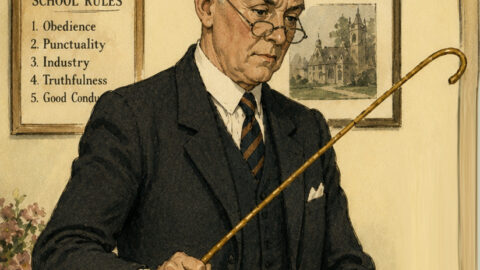
(gap: 1s) Even teachers had their reputations—some feared, some respected, some mocked behind their backs. (pause) The implements of discipline were as much a part of the school as the chalk and the blackboard.
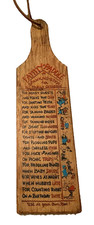
(pause) At home, the slipper might hang by the door, a silent warning. (short pause) Mothers and fathers, each with their own approach—some quick to punish, others reluctant, but all shaped by the times they lived in.
(pause) Today, the stories are told with a mix of nostalgia and disbelief. (short pause) “Did that really happen?” children ask. (pause) The world has changed, but the memories linger, stitched into the fabric of family lore.
(gap: 1s) For every famous name who recalls the sting of the slipper, there are thousands more whose stories remain untold. (pause) The lessons learned—about authority, about fairness, about resilience—echo down the years, long after the bruises have faded.