(gap: 1s) My memories of childhood are stitched together with the sights and sounds of our little estate in Preston—the pebble-dashed council houses, the clipped lawns, the distant hum of a Ford Anglia, and the ever-present scent of laundry drying in the breeze. But woven through those everyday moments was a different kind of lesson, one that came from my mother’s steady hand and unwavering sense of right and wrong.
I remember the sharp anticipation in the air when I’d done something wrong, the way my heart would thump as Mum called my name, her voice firm but never cruel. There was a ritual to it: the living room quiet except for the faint crackle of the BBC Home Service, the faded armchairs and sepia photos watching on as I found myself across her knee. One hand pressed gently on my back, the other delivering a stinging reprimand to my bottom. It hurt, of course—sometimes just a few quick slaps over my trousers, other times a proper tanning with my short trousers pulled down, the sting lingering long after. But even as a boy, I understood it wasn’t anger that guided her, but a kind of weary love, a determination to set me straight in a world that didn’t always give second chances.
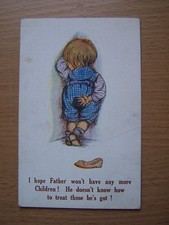
I’d hear stories from other boys—tales of fathers who spanked hard and without warning, of punishments that left more than just a sore backside. For me, it was always Mum and me, our little world of two. We were close, sharing laughter and secrets, but when I crossed the line, discipline was swift and certain. I remember the first time she reached for the slipper—a battered old thing, its leather soft from years of use. I must have been ten or eleven, and the memory of its sting is still vivid, a lesson written in red across my skin. After that, the threat of the slipper hung in the air, but I don’t recall feeling its bite again at home.
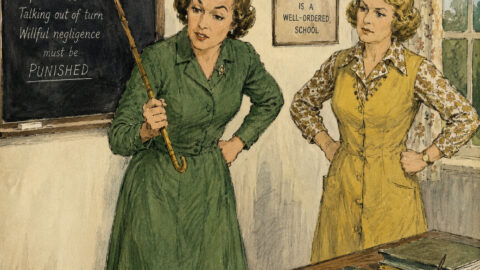
School was a different world altogether. There, discipline was public and impersonal—the dreaded ‘slipper,’ a heavy plimsoll wielded by teachers with varying degrees of enthusiasm, sometimes in front of the whole class. I managed to avoid it until my second year, when a moment of foolishness on the stairs landed me and two friends in the headmaster’s office. The cane was different—cold, efficient, and unforgettable. Three sharp strokes, each one burning deeper than the last, leaving my bottom sore for days and a lesson I would not soon forget.
Looking back, those moments of discipline are tangled up with the warmth of home, the comfort of routine, and the certainty that, even in punishment, I was loved. They are part of the fabric of my childhood, as real and enduring as the pebble-dashed houses and the faded slipper on the armchair.