The subject of corporal punishment in the home and at school remains a complex and often contentious one, particularly when viewed through the lens of personal experience and shifting societal norms. It is notable that both of my daughters-in-law, aged between 35 and 40, experienced corporal punishment at home from their fathers. One is British, with three sisters, and their father, a former Navy man, occasionally used a cane for discipline. The other is South Indian, raised in the Middle East, and is also one of three girls. She has mentioned caning in conversation, often in a lighthearted manner, though I have not inquired further. It is likely that the canes used were sourced from garden centres rather than official school suppliers.
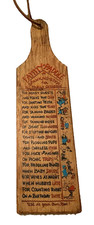
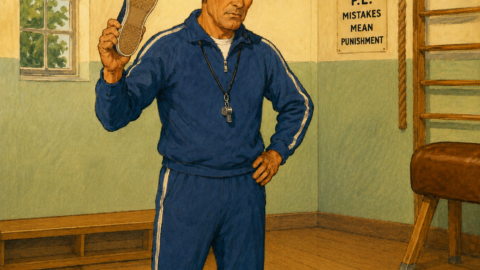
These anecdotes are not isolated. In the United Kingdom, corporal punishment in the home was a common feature of family life well into the late twentieth century. Many parents, particularly those with military backgrounds, believed that physical discipline instilled respect and obedience. The cane, slipper, and wooden spoon were all familiar implements, each with its own associations and rituals. In some households, the mere sight of a slipper or cane was enough to restore order, while in others, the threat was carried out with varying degrees of severity.
In South Asian and Middle Eastern communities, similar practices persisted, often influenced by cultural traditions and the expectations of expatriate life. The use of the cane, for example, was sometimes seen as a way to maintain discipline in the absence of extended family support. Conversations about these experiences are often tinged with humour or nostalgia, yet they also reflect the complexities of parental authority and childhood resilience.
I am interested to learn more about your data from Greater Manchester, and the topic of lesser-known celebrities is also of interest. Regarding previous comments, it is my view that garden canes should remain for gardening purposes. For disciplinary use, a thin, flexible cane that stings but does not bruise is preferable to a solid garden cane, which can cause injury.
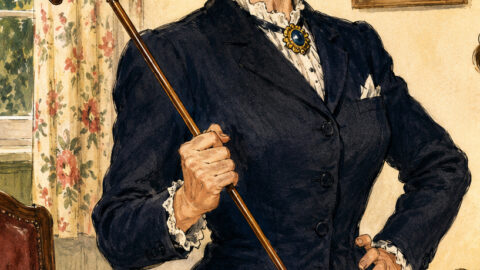
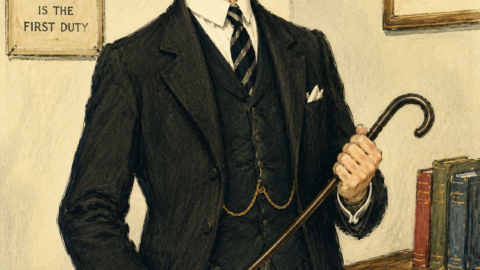
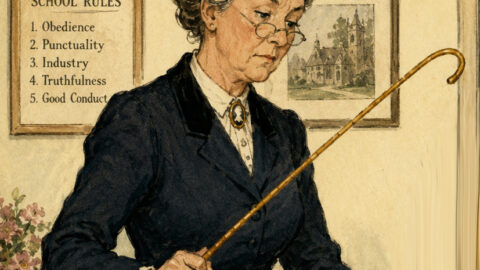
The distinction between implements is not trivial. A garden cane, designed for supporting plants, is rigid and can inflict significant harm if used improperly. In contrast, traditional school canes were manufactured to be flexible, delivering a sharp sting without lasting damage. This difference was recognised by some parents and teachers, though not universally observed. The debate over appropriate methods of discipline continues to this day, with many advocating for non-physical approaches.
There was a case in which a boy who was caned by his stepfather brought his complaint to the European Court of Human Rights. This case, which attracted considerable attention at the time, highlighted the tension between parental rights and the protection of children from physical harm.
After approximately two years, the court determined that the punishment constituted a breach of the European Convention on Human Rights. The British Government was ordered to pay the boy £10,000 in damages and legal costs. However, it is unclear whether this compensation was ever paid, as the court does not have enforcement powers.
The case set a precedent, prompting renewed debate about the limits of parental authority and the responsibilities of the state. It also contributed to the gradual decline of corporal punishment in both homes and schools, as legal and cultural attitudes shifted towards greater protection for children.
The footballer Bryan Robson, who played for Manchester United and England, stated in an interview that he was caned for not playing football properly. He explained that the team had disobeyed instructions. Such anecdotes are not uncommon among athletes of his generation, many of whom recall similar experiences at school.
It is not clear whether the entire team was caned or only those directly involved in the incident. Robson was the captain of the football team at Lord Lawson of Beamish Comprehensive School, so it is possible he accepted responsibility on behalf of the team. The practice of collective punishment, while controversial, was not unusual in schools at the time.
It has been previously reported that Robson was caned on his buttocks. There is some curiosity as to whether he was still wearing his football shorts at the time, and if so, whether any additional clothing was worn underneath. Such details, while seemingly trivial, illustrate the ritualised nature of corporal punishment and the ways in which it was both formalised and normalised within school culture.
Discussions about school corporal punishment are infrequent and often do not progress far, even when someone attempts to contribute. I try to assist when possible, but with your current project, even public Facebook groups restrict access unless one joins the platform, which I do not intend to do.
This is unfortunate. It is likely that other athletes and public figures also experienced or administered corporal punishment during their school years, as was customary at the time. Personally, I have little interest in sports or celebrities, but I am aware that the late mountaineer Doug Scott may be an example of someone who fits this description.
Beyond the world of sports, many individuals who later achieved prominence in various fields have spoken about their experiences with corporal punishment. For example, writers, musicians, and politicians of a certain generation often reference such episodes in memoirs and interviews, sometimes as formative moments, sometimes as cautionary tales. The prevalence of these stories suggests that corporal punishment was woven into the fabric of childhood for many, regardless of background or ambition.
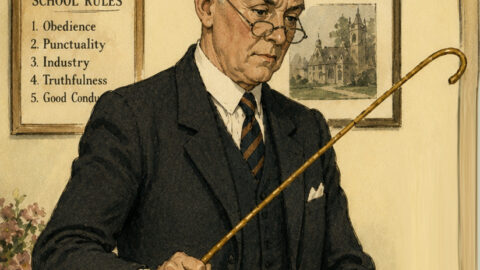
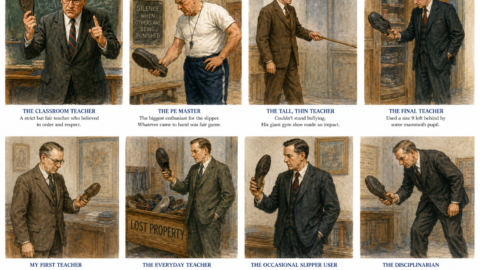
In schools, the administration of corporal punishment was often a public affair, intended to serve as a deterrent to others. Assemblies, corridors, and classrooms became the settings for these rituals, with implements such as the cane, slipper, or ruler kept in plain sight. Teachers, particularly those in positions of authority, were expected to maintain discipline, and their reputations often rested on their willingness to enforce rules through physical means.
Over time, attitudes began to change. Campaigns by child welfare organisations, legal challenges, and shifting public opinion led to the gradual abolition of corporal punishment in state schools, with independent schools following suit in subsequent years. Today, the practice is widely condemned, though debates about discipline and authority continue in other forms.
The memories of those who experienced corporal punishment are varied. Some recall it as a necessary part of growing up, a means of learning right from wrong. Others view it as an unnecessary cruelty, a relic of a less enlightened era. What is clear is that these experiences have left a lasting mark, shaping attitudes towards authority, discipline, and childhood itself.
As we reflect on these stories, it is important to recognise both the historical context and the personal impact of corporal punishment. While the implements may have changed, and the laws evolved, the questions raised by these practices remain relevant: How should we teach children about responsibility and respect? What role should authority play in their lives? And how do we balance tradition with the need for compassion and understanding?
In conclusion, the history of corporal punishment is a window into broader social changes, revealing much about family life, education, and the shifting boundaries of acceptable behaviour. By examining these stories—whether from personal experience, legal cases, or the recollections of public figures—we gain a deeper understanding of the forces that have shaped our collective memory and continue to influence debates about childhood and discipline today.