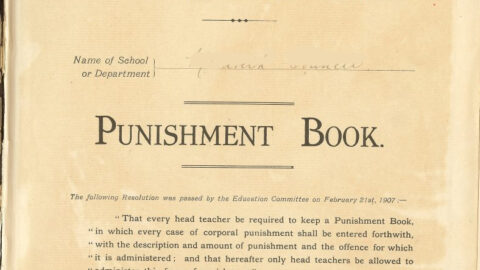
Doug Scott was one of the world’s leading high-altitude and big-wall climbers of his time, and the first Englishman to reach the summit of Everest. Before his mountaineering career, he taught geography, history, PE, and games for ten years starting in 1961 at Cottesmore School, a Nottingham secondary modern school he had once attended. When asked to choose between teaching and mountaineering, Scott chose the latter and went on to achieve a remarkable climbing career. Notably, he once handed me the only raffle prize I have ever won—a bottle of red wine—at one of his lectures, a detail not mentioned in his books.
Doug Scott’s teaching career at Cottesmore School coincided with a period of significant change in British education. The early 1960s were marked by a strong emphasis on discipline, both in the classroom and on the playing fields. Teachers like Scott, who taught a range of subjects, were expected to maintain order and instill values of perseverance and teamwork. His background as a former pupil likely gave him a unique perspective on the challenges faced by students, and perhaps contributed to his popularity among them.
Cottesmore School is remembered for having SCP (School Corporal Punishment). There are references to it, and I believe I have contributed to discussions on the topic. It is unclear whether Doug Scott was specifically mentioned as using SCP, though teachers of geography, PE, and games often appear in such accounts. Currently, I am unable to access the Forum Search Engine, but perhaps others with access could investigate further.
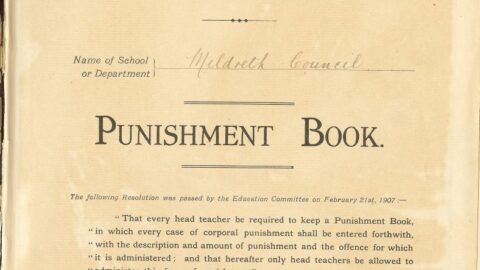
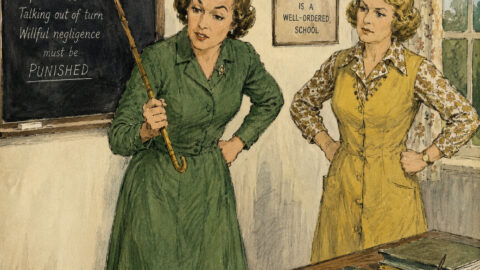
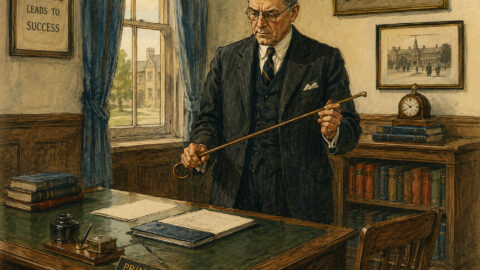
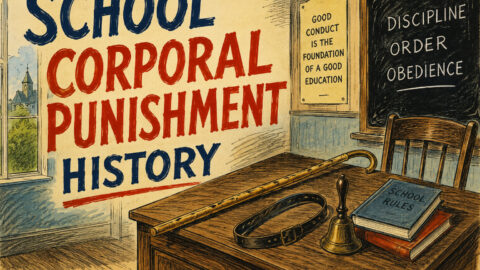
The use of corporal punishment in British schools during the mid-20th century was widespread and often seen as a necessary tool for maintaining discipline. The slipper, cane, and sometimes the wooden spoon were common implements. While the practice is now viewed with considerable controversy, at the time it was largely accepted by parents and educators alike. Many former pupils recall these punishments with a mixture of fear, respect, and, in some cases, nostalgia for a more structured era.
There is evidence that Doug Scott did use SCP, typically administering the slipper as punishment. Despite this, he was regarded as a popular and respected teacher. One former pupil, Keith, described him as follows:
“He was great fun and a good teacher, and became ‘one of the boys’ when away from school.”
The duality of Scott’s character—strict disciplinarian in the classroom, yet approachable and friendly outside of it—was not uncommon among teachers of his generation. Many students found that the boundaries set by such teachers provided a sense of security, even if the methods now seem harsh. Anecdotes from former pupils often highlight the camaraderie that developed during sports and extracurricular activities, where teachers like Scott would participate alongside students, blurring the lines between authority and friendship.
Personally, I enjoyed sports at school, as it was the area where I excelled. After retiring from participation, I have continued to follow rugby and boxing, and to a lesser extent, football, cricket, and snooker. My closest experiences to mountaineering have been completing Sharp Edge in the Lake District and the Yorkshire Three Peaks for charity, both of which I enjoyed and hope to repeat.
The importance of sports in British schools cannot be overstated. For many children, the playing field was a place of both challenge and escape—a space where physical prowess could earn respect and where the lessons of teamwork, resilience, and fair play were learned firsthand. Teachers who led these activities often left a lasting impression, shaping not only athletic ability but also character.
As for celebrities, I have little interest in them. I recently found a list of spanked celebrities, mostly American, and recognized very few names. My children often remind me that I am out of touch with current popular culture. For example, I had not heard of Warren Bradley before, but I thought others might find the information interesting.
The intersection of celebrity and discipline is a curious one. While some public figures have spoken openly about their experiences with corporal punishment, for most, such details remain private or are only revealed in memoirs. The fascination with these stories perhaps reflects a broader societal interest in how formative experiences shape individuals, whether they become athletes, artists, or leaders.
Regarding Bryan Robson’s caning, Jamie Murphy provides more details from Robson’s autobiography. During a practice football match, some boys were running laps as punishment for breaking windows. Robson, playing in the match, passed the ball to one of them. The supervising teacher was displeased and told Robson to join the runners. After about 20 minutes, Robson began walking instead of running when the play was at the other end of the pitch. The teacher noticed, blew the whistle, and sent Robson to the Headmaster, who gave him two strokes with a cane. It is likely that, as was common in many schools, he had little protection due to the policy of no pants under shorts.
Robson’s story is emblematic of the strict codes of conduct that governed school life in the mid-20th century. The expectation of obedience was high, and even minor infractions could result in corporal punishment. The ritual of being sent to the Headmaster’s office, the anticipation, and the physical discomfort that followed were all part of the experience for many boys of that era. Such stories, while sometimes recounted with humor, also serve as reminders of how much educational practices have changed.
There is another example, though not involving a teacher. Malcolm McDowell, who attended Cannock School in Kent, became Headboy and was authorized to cane other boys. He was also known for being caned and slippered himself, and some accounts suggest he was a bit of a bully. He was the last Headboy allowed to administer corporal punishment, possibly due to his enthusiasm for the task. One former pupil recalled being caned by him frequently. Later, McDowell famously received a severe caning in the film “If.”
The practice of allowing senior students to administer punishment was not unique to Cannock School. In many British schools, prefects and head boys were entrusted with maintaining discipline among their peers. This system, while intended to foster leadership and responsibility, sometimes led to abuses of power. The case of Malcolm McDowell illustrates both the potential pitfalls and the enduring fascination with these traditions, especially as they are depicted in popular culture.
It is reasonable to question whether Malcolm McDowell’s caning scene in “If” was as severe as claimed, particularly the assertion that it involved ten strokes filmed in a single sequence.
The film “If” remains a powerful commentary on the British public school system, using the caning scene as a symbol of institutional authority and rebellion. While the accuracy of the scene has been debated, its impact on audiences is undeniable. For many, it encapsulates the tension between tradition and change that characterized British education in the post-war years.
The following is an excerpt from Sting’s reminiscences published in The Telegraph.
The deputy headmaster, Reverend Father Walsh, did not teach but was responsible for administering canings to boys sent to his office for minor infractions such as lateness, excessive blotting, or rare instances of cheek, swearing, smoking, or fighting. In one year, I received 42 strokes of the cane in seven sessions, which I do not believe were justified by my behavior. I often found myself in the wrong place at the wrong time, with the wrong friends and the wrong expression.
Sting’s account is a vivid reminder of how corporal punishment could become a routine part of school life, shaping not only behavior but also attitudes toward authority. The sense of injustice he describes was shared by many, and contributed to the growing movement for reform in the latter half of the 20th century. By the 1980s, corporal punishment was increasingly seen as outdated, and was eventually banned in most British schools.
Today, the memories of those who experienced corporal punishment are complex. For some, they are a source of humor or nostalgia; for others, they are reminders of a more rigid and sometimes harsh educational system. The stories of teachers like Doug Scott, students like Bryan Robson, and figures like Malcolm McDowell and Sting offer valuable insights into a formative period in British social history.
As we reflect on these stories, it is important to recognize both the challenges and the achievements of those who lived through them. The resilience, camaraderie, and occasional rebellion of students, as well as the dedication and sometimes stern methods of teachers, all contributed to the fabric of school life. These memories, whether fond or fraught, continue to shape our understanding of childhood, discipline, and the lessons learned on and off the playing field.