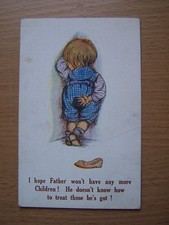
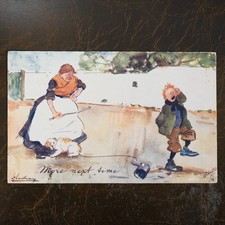
The case under discussion concerned not a former headmaster who physically chastised his wife with his hand, but one who struck her with a slipper. Given his years in education, one trusts that he was not drawing upon habits acquired during his time as a primary school teacher.
If one is to be precise, however, it appears that the gentleman in question employed not only a slipper but also a kitchen spatula. The unfortunate affair has naturally prompted much comment, though the matter itself is far from amusing. Domestic violence is a grave subject, and where a woman has clearly refused consent, that refusal ought to have been respected without question.
What has particularly astonished many observers, however, is the curious detail that the husband reportedly prepared a “pie chart of pain” in an effort to illustrate his emotional distress over his wife’s affair. The image of a wronged husband presenting statistical diagrams to explain his suffering is, to say the least, extraordinary. One struggles to imagine a more peculiar manifestation of marital discord.
It subsequently emerged that the marriage had deteriorated considerably following the man’s resignation from his post as headmaster. His departure reportedly followed revelations concerning an affair with a member of staff, the misuse of school computers for inappropriate material, and the sending of intimidating electronic correspondence to colleagues. It is likely that the latter offences, rather than the affair itself, proved decisive in bringing about his dismissal. Adultery, however regrettable, has long tended to be regarded as a private matter rather than grounds for professional ruin.
Many readers will recall schoolmasters of an earlier generation whose personal conduct was far from exemplary, yet whose professional standing remained untouched. One former headmaster, remembered by contemporaries as an inveterate philanderer, retained both his position and public respectability despite behaviour that caused considerable embarrassment to his family.
The reports concerning the former headmaster have also prompted reflections upon the disciplinary traditions of British schools in earlier decades. Corporal punishment, whether by cane, slipper, or leather strap, remained commonplace in many institutions well into the latter half of the twentieth century. Some schools employed these methods with severity, while others regarded them merely as part of the accepted order of school life.
Former pupils of prestigious boarding schools have frequently described harsh disciplinary regimes. Charles Spencer, younger brother of Diana Spencer, once spoke publicly of the severe punishments administered at his preparatory school, where boys considered idle or unintelligent were caned regularly and with considerable force. Similarly, the poet Andrew Motion described his own schooldays as marked by cruelty and excessive punishment.
Yet others who attended similar institutions during different periods have offered more favourable recollections, suggesting that the atmosphere of such schools could change dramatically according to the character of the headmaster and staff. Experiences varied greatly, and no single account can entirely define the history of these establishments.
Indeed, it remained one of the curiosities of British society that many of the country’s wealthiest and most influential families willingly sent their sons to schools where corporal punishment was not merely accepted but institutionalised. Harsh discipline was often regarded as a necessary preparation for public life and leadership.
In more recent years, social attitudes have altered profoundly. Practices once considered unremarkable have become matters of public outrage and legal sanction. The spectacle of a husband attempting to justify violence towards his wife by invoking “respect” or emotional injury now appears deeply archaic, a relic of attitudes that modern society has increasingly rejected.
One commentator observed wryly that scenes of husbands placing wives across their knees for chastisement belonged properly to the age of old cinema melodramas starring John Wayne and Maureen O’Hara. Whether society has entirely moved beyond such attitudes remains open to debate, though few today would publicly defend them.