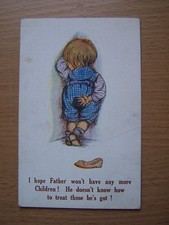
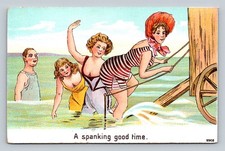
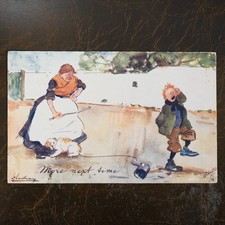
“Brother Camillus, a personable and well-meaning teacher, experienced considerable difficulty in maintaining discipline within the large junior secondary classes. His error lay in attempting to cultivate an atmosphere of humour and informality among groups of immature adolescents who frequently seized upon such opportunities to release their excess energy through noise and disorderly conduct. Brother Camillus would then resort to corporal punishment, thereby earning the resentment of the boys, before once again attempting to restore goodwill through humour and friendliness. In this manner, the pattern continually repeated itself.”
“Among the more notable masters was ‘Major’ Bill Jordan, reputed to have served in intelligence operations behind enemy lines during the war. During his brief tenure at St Bede’s he taught middle-school English with meticulous attention to detail and expressed strong disapproval of what he regarded as the excessive use of corporal punishment within the school. On one occasion he entered an adjoining classroom and confiscated the cane from a master whom he believed to be administering punishment with undue severity. As a consequence, relations between the Major and several members of staff became strained.”
“In the junior and middle secondary divisions there emerged a form of educational selection in which the more able boys prospered by attracting the attention and encouragement of masters, while many others, lost among the very large enrolments, struggled merely to obtain the minimum qualification at Form 3 level before leaving school. The strain upon the teaching staff became considerable, and corporal punishment was employed with excessive frequency, fostering resentment and, in some cases, anti-social behaviour among the boys.”
Haileybury College, named after the English public school of the same name, is discussed in Haileybury College: The First 100 Years by Don Chambers, published in 1992.
Mr Charles Rendall, Headmaster: “As illness increasingly affected him, much of his earlier good humour appeared to diminish. Eric Marshall observed that ‘to differ from him was to sin against the Holy Ghost’. A number of former pupils chiefly remembered Rendall for the severity of the canings associated with the traditions of the English Haileybury school.
“On occasion, former pupils have described Rendall as sadistic, although such a judgement must be considered within the accepted disciplinary standards of the period. In most instances he appears to have reserved corporal punishment for serious offences, though he administered it with considerable force. Nevertheless, his occasional moodiness gave rise to accusations of injustice, and R. G. Cumbrae Stewart never forgave him for a severe caning imposed, despite repeated protests of innocence, for an offence committed by another boy.
“Others recalled that Rendall would at times hold a boy firmly while repeatedly administering the cane. One master later spoke of his enduring discomfort at being required to witness such punishments, presumably as a safeguard against possible parental complaint. Conduct of this nature would today be regarded as unacceptable.
“In the English public schools, the endurance of physical pain without complaint was long considered part of the preparation of young men for lives of hardship and service within the Empire.
“There were precedents in England for Rendall’s stern reputation as a disciplinarian. Dr Bradby, assisted by senior staff and housemasters, had earlier undertaken the difficult task of restoring order and discipline at the English Haileybury College shortly before Rendall’s attendance there. Corporal punishment was regarded at the time as an effective means of restoring the school’s standing.”
“When the young Dick Durance commenced school at the age of seven he quickly formed a strong attachment to Miss Moore, his form mistress. However:
‘By 1923 I had become a rather untidy boy of nine, perpetually stained with ink and greatly disliked by my teacher, Miss Jackson, who would require us to place our hands upon our heads before striking them sharply with a ruler.’”